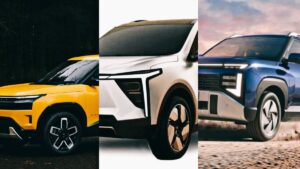
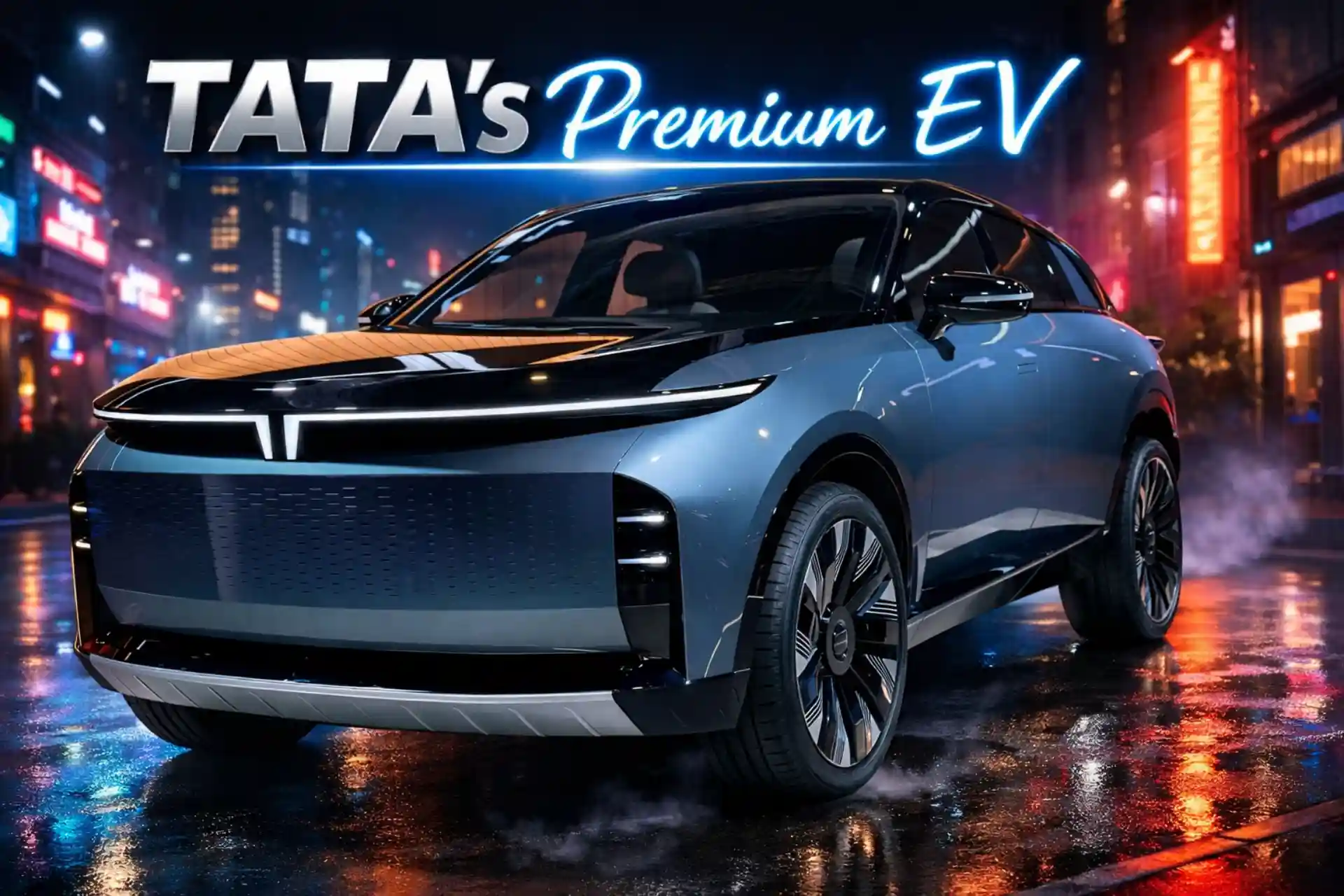
Tata Motors is stepping into unfamiliar territory. The company that’s dominated India’s budget EV space with the Nexon EV and Tiago EV is now gunning for the premium end of the market. And they’re doing it with a whole new lineup called Avinya.
The first Avinya model is set to arrive by the end of 2026, and it won’t look like anything Tata’s put out before. We’re talking sleek sportback styling, upmarket interiors, and prices starting around Rs. 40 lakh. That’s flagship money—well above what most people associate with the Tata badge.
Also read: Tata Sierra EV— Big Battery, Big Range & More In 2026
Key Details at a Glance
| Specification | Details |
|---|---|
| Launch Timeline | By end of 2026 |
| Platform | JLR Electrified Modular Architecture (EMA) |
| Body Styles | Sportback (first), upright SUV (later) |
| Drivetrain Options | Two-wheel drive and all-wheel drive |
| Expected Range | Over 600 kilometers |
| Starting Price | Rs. 40 lakh and above |
| Key Rivals | Hyundai IONIQ 5, Kia EV6 |
| Investment | Rs. 18,000 crore for EV expansion |
What We Know About the Platform
Here’s where things get interesting. The Avinya range will ride on Jaguar Land Rover’s Electrified Modular Architecture, or EMA for short. This is the same advanced skateboard platform JLR is developing for its future EVs, and Tata’s getting access to it as the parent company.
What does that mean in practical terms? Faster development cycles, for one. The platform’s flexible enough to handle different body styles without starting from scratch each time. Tata’s already confirmed at least two variants—a sportback and a traditional upright SUV. More could follow down the line, backed by a massive Rs. 18,000 crore investment earmarked specifically for EV expansion.
Tata’s targeting rivals like the Hyundai IONIQ 5 and Kia EV6 with the Avinya lineup. Both those models start well above Rs. 40 lakh and appeal to buyers who want something that feels genuinely premium, not just adequate. It’s a segment Tata’s never really competed in before, at least not successfully.
Also read: Suzuki Jimny Monster Hunter Is Wild— Can You Buy It?
The company’s current EVs top out in the mid-20s. Jumping to Rs. 40 lakh-plus is a big ask, even with JLR tech underneath. Buyers at that price point expect refinement, range, and features that match what they’d get from established premium brands. Tata will need to deliver on all counts.
Also read: Why Kia is Betting on the Sorento Hybrid for India in 2026
Range and Performance Expectations
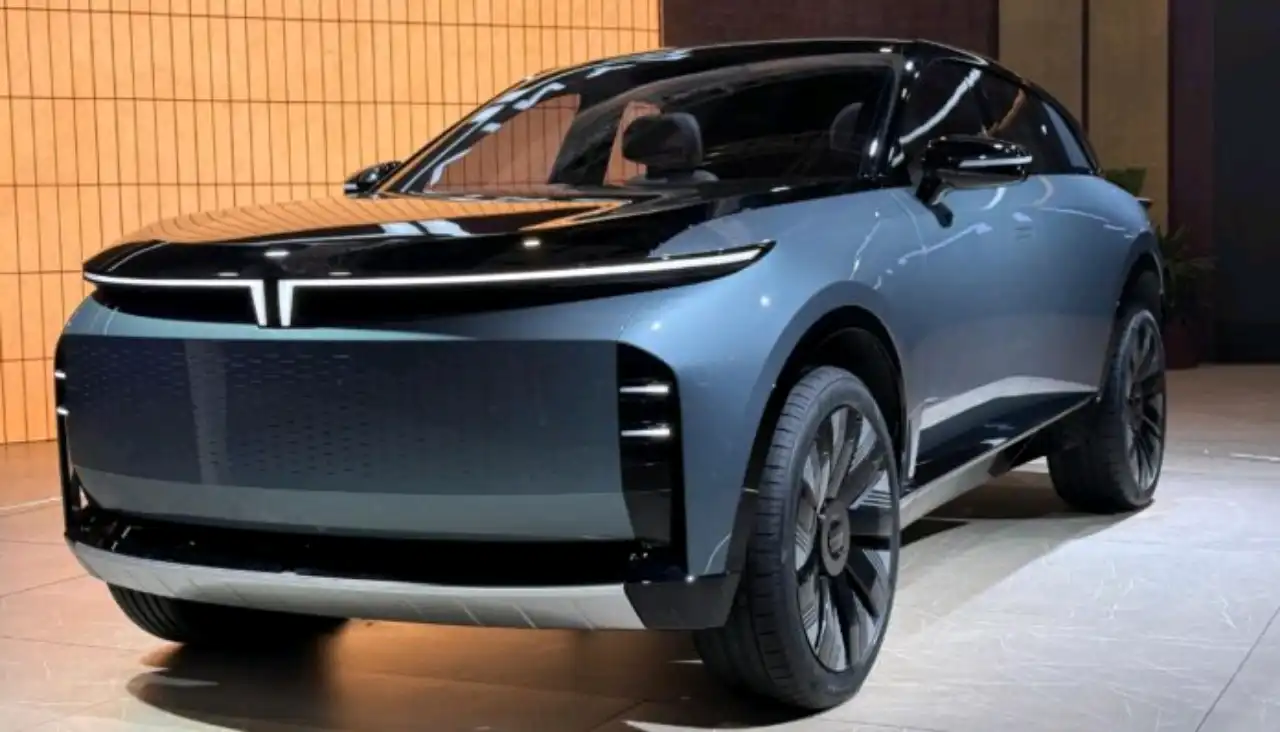
Details on the powertrain are still scarce, but Tata’s promising both two-wheel drive and all-wheel drive configurations. Multiple battery pack options will likely be available, similar to how Hyundai and Kia offer different range tiers.
The claimed range should exceed 600 kilometers, which would be competitive for the segment. That’s thanks to the efficiency gains from using a ground-up EV platform rather than adapting an existing chassis. JLR’s involvement also suggests the motors and battery management systems will be more sophisticated than what’s in Tata’s current EVs.
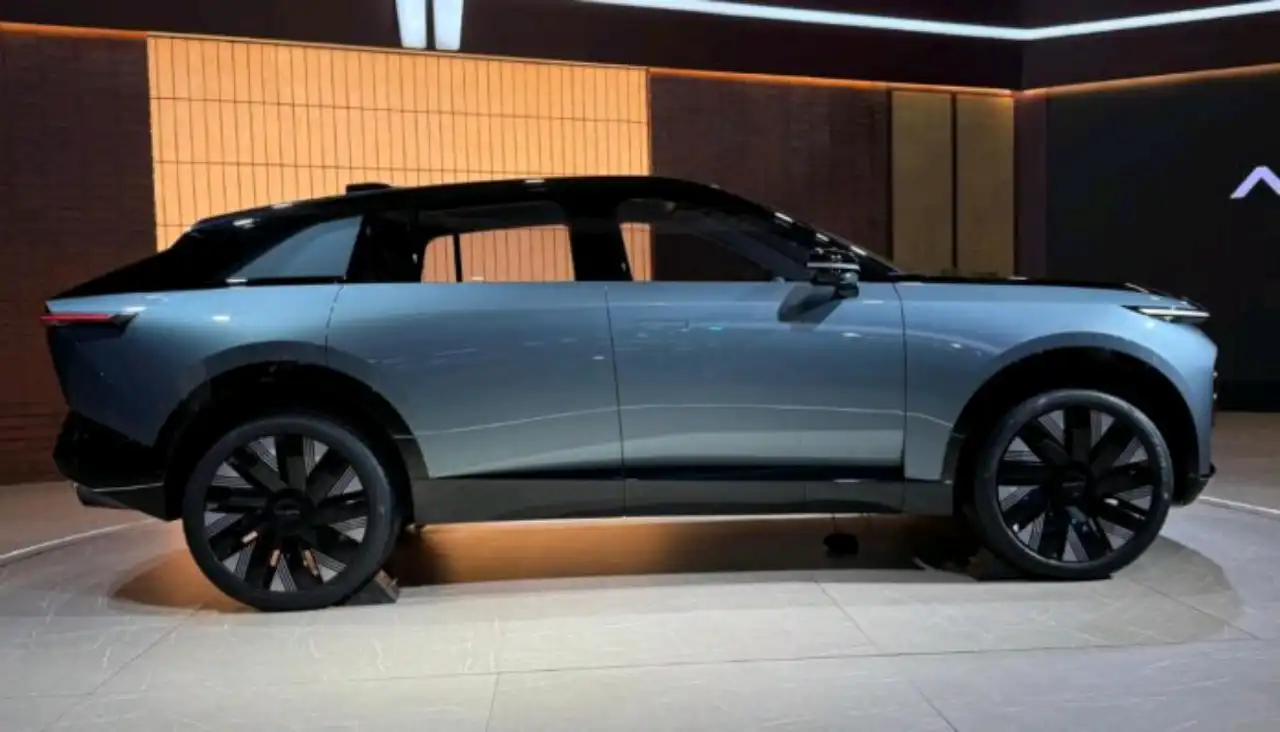
If you’re shopping for a premium EV in India, the Avinya range could be worth waiting for. Especially if you’ve been eyeing the IONIQ 5 or EV6 but want something with local manufacturing and potentially better service network access.
That said, Tata’s stepping into a segment where brand perception matters as much as specs. Buyers at this price point care about how a car makes them feel, not just how far it goes on a charge. The Avinya will need to nail the details—ride quality, cabin materials, software experience—to justify that Rs. 40 lakh-plus price tag.
Also read: Tata to Maruti: 5 New SUVs Launching in January You Can’t Miss
The sportback arriving first is a smart play. It’s visually distinctive and appeals to buyers who want something that stands out. The more conventional SUV variant that follows should have broader appeal.
We’ll get a clearer picture as 2026 approaches. For now, it’s clear Tata’s betting big on the idea that Indian buyers are ready to pay premium prices for locally made electric SUVs. Whether that bet pays off depends on execution.

Monojit Paul is the founder and editor of techautohub.com. He covers India’s automotive industry, focusing on new launches, cars, bikes, and market trends.