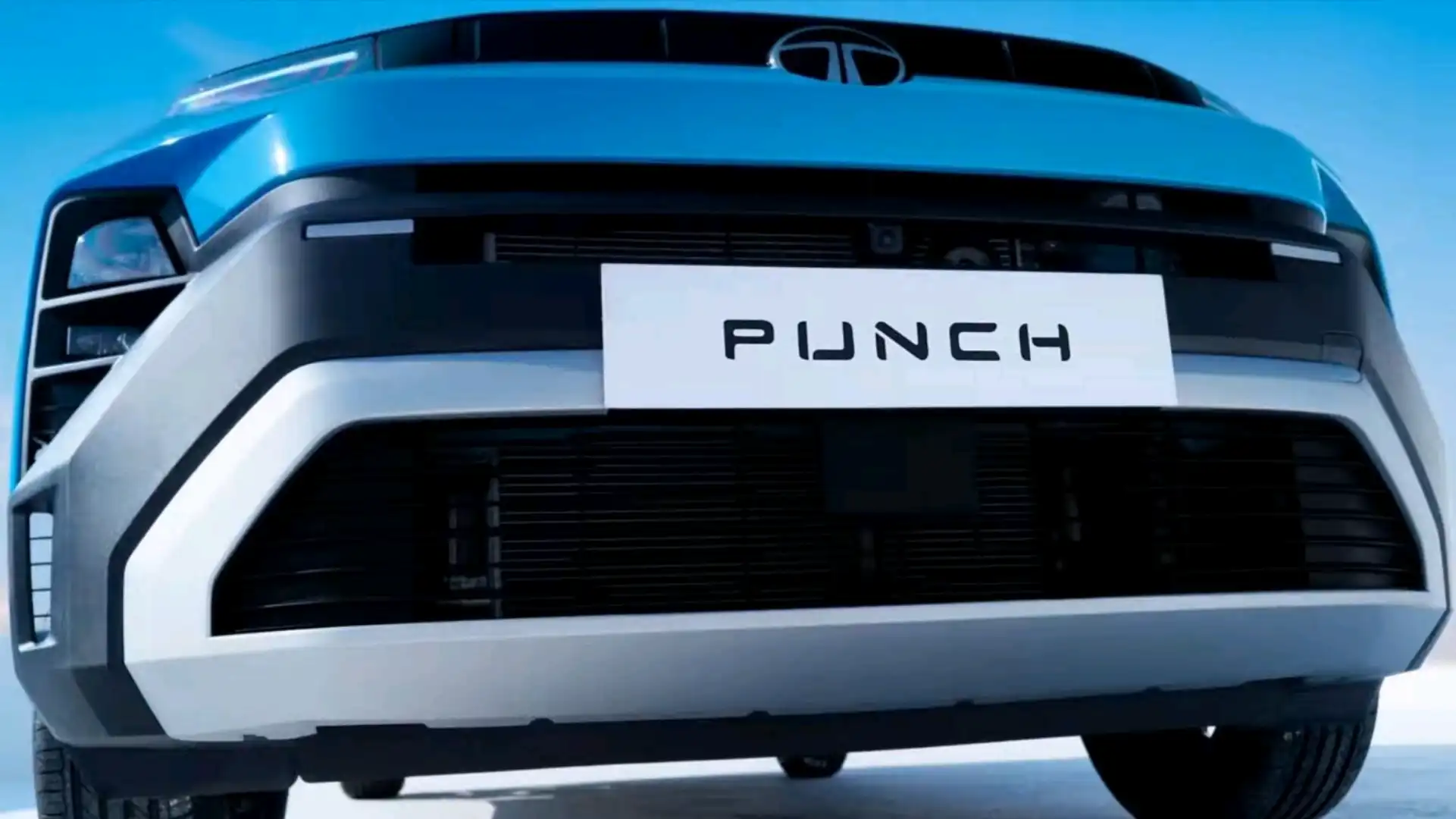
Tata Motors just dropped the first teaser for the updated Punch, and it’s clear they’re leaning harder into that SUV vibe. The facelift is set to arrive January 13, and from what we can see, this isn’t just a light refresh.
The Punch has been Tata’s best seller since it launched back in 2021. That’s no small thing in a market where buyers want practicality, decent ground clearance, and something that doesn’t feel like a penalty box. Now they’re giving it a mid-cycle update to keep it competitive.
What’s Actually Changing
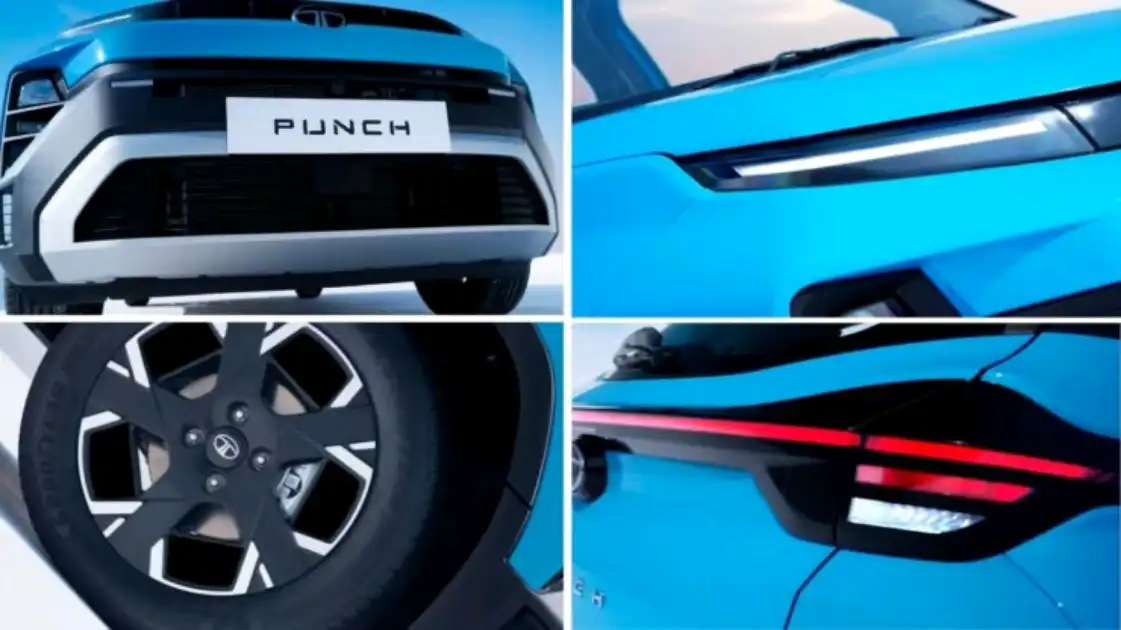
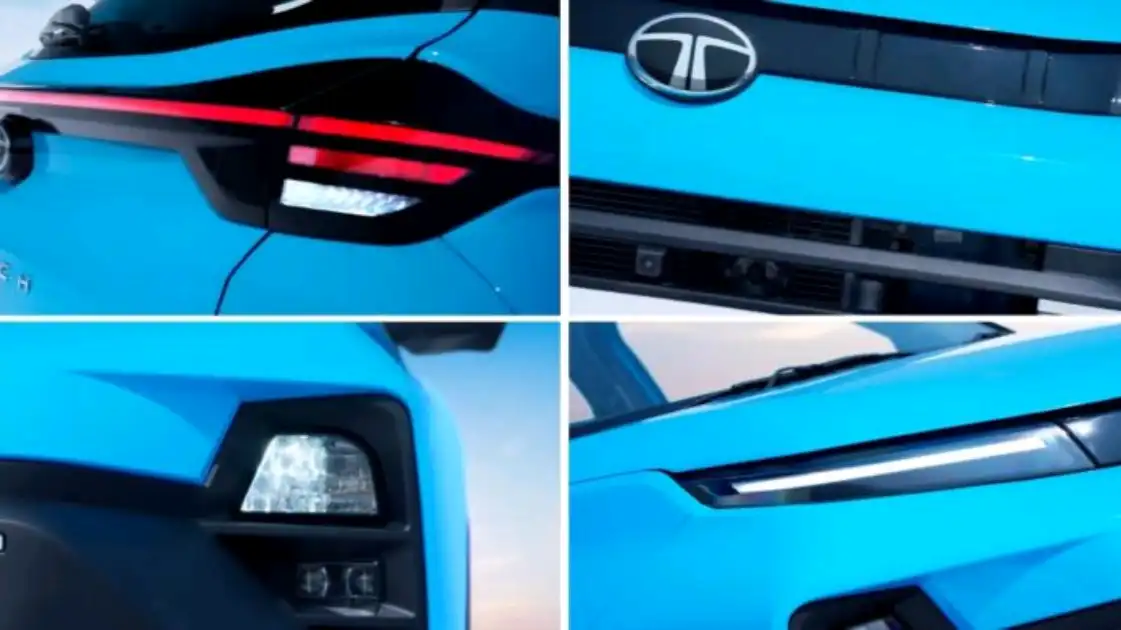
The teaser shows a more upright, muscular front end. You’re getting new LED headlamps, slimmer daytime running lights, and a redesigned grille that looks more aggressive than the current model. The front bumper has been reworked too, and it reads tougher on camera.
Out back, Tata’s adding a connected tail lamp setup. That’s becoming standard language in this segment now, so it makes sense. New dual-tone alloy wheels are also visible in the clip. The whole package seems aimed at making the Punch look less cute, more commanding.
What’s interesting is how closely this ICE version will mirror the Punch EV in both styling and features. Tata’s clearly trying to create a visual family here, which should help with brand recognition as they push deeper into electrification.
Interior and Tech Upgrades Expected
Tata hasn’t shown the cabin yet, but expect a bigger 10.25-inch touchscreen, a fully digital instrument cluster, and a redesigned steering wheel. The dashboard layout will likely get tweaked, and fresh upholstery is a given.
More notably, there’s talk of a 360-degree camera and ADAS features making their way into the Punch. If that happens, it would be a serious step up for a vehicle in this price range. ADAS in a micro-SUV? That’s not common in India yet. It could set the Punch apart if Tata prices it right.
Engine and Transmission Stay Familiar
Under the hood, don’t expect surprises. The same 1.2-liter three-cylinder naturally aspirated petrol engine should carry over. It makes 87 horsepower and 115 Nm of torque in standard form, paired with either a five-speed manual or AMT. The CNG variant drops to 72 horsepower and 103 Nm, which is typical for bi-fuel setups.
It’s not thrilling on paper, but this engine has proven reliable and efficient in real-world use. Most Punch buyers aren’t looking for neck-snapping acceleration anyway. They want something that sips fuel, handles city traffic without drama, and doesn’t break down.
| Engine Variant | Power | Torque | Transmission |
|---|---|---|---|
| Petrol | 87 bhp | 115 Nm | 5-speed MT/AMT |
| CNG | 72 bhp | 103 Nm | 5-speed MT |
How This Stacks Up in the Segment
The micro-SUV space is crowded. You’ve got the Hyundai Exter, Maruti Suzuki Ignis, Renault Kiger, and Nissan Magnite all fighting for attention. The Punch has been outselling most of them, partly because of Tata’s safety reputation and partly because it just feels more substantial than some competitors.
Adding ADAS and a 360-camera could widen that gap. Most rivals in this bracket still don’t offer those features, even as options. If Tata keeps pricing competitive and doesn’t jack up the top variant too much, this facelift could cement the Punch’s lead.
The CNG option also matters. With fuel prices still high, a lot of fleet buyers and cost-conscious families lean toward bi-fuel vehicles. Tata’s CNG strategy has been solid, and the Punch is a key part of that.
Worth the Wait?
If you’re shopping in this segment right now, it makes sense to hold off a couple weeks and see what the final package looks like. The updates seem meaningful enough, especially on the tech side. Pricing will be the deciding factor. If Tata keeps the base variant accessible and doesn’t push the top trim past 10 lakh rupees, this could be a strong buy.
The Punch already had the formula mostly right. This facelift just tightens it up.

Monojit Paul is the founder and editor of techautohub.com. He covers India’s automotive industry, focusing on new launches, cars, bikes, and market trends.