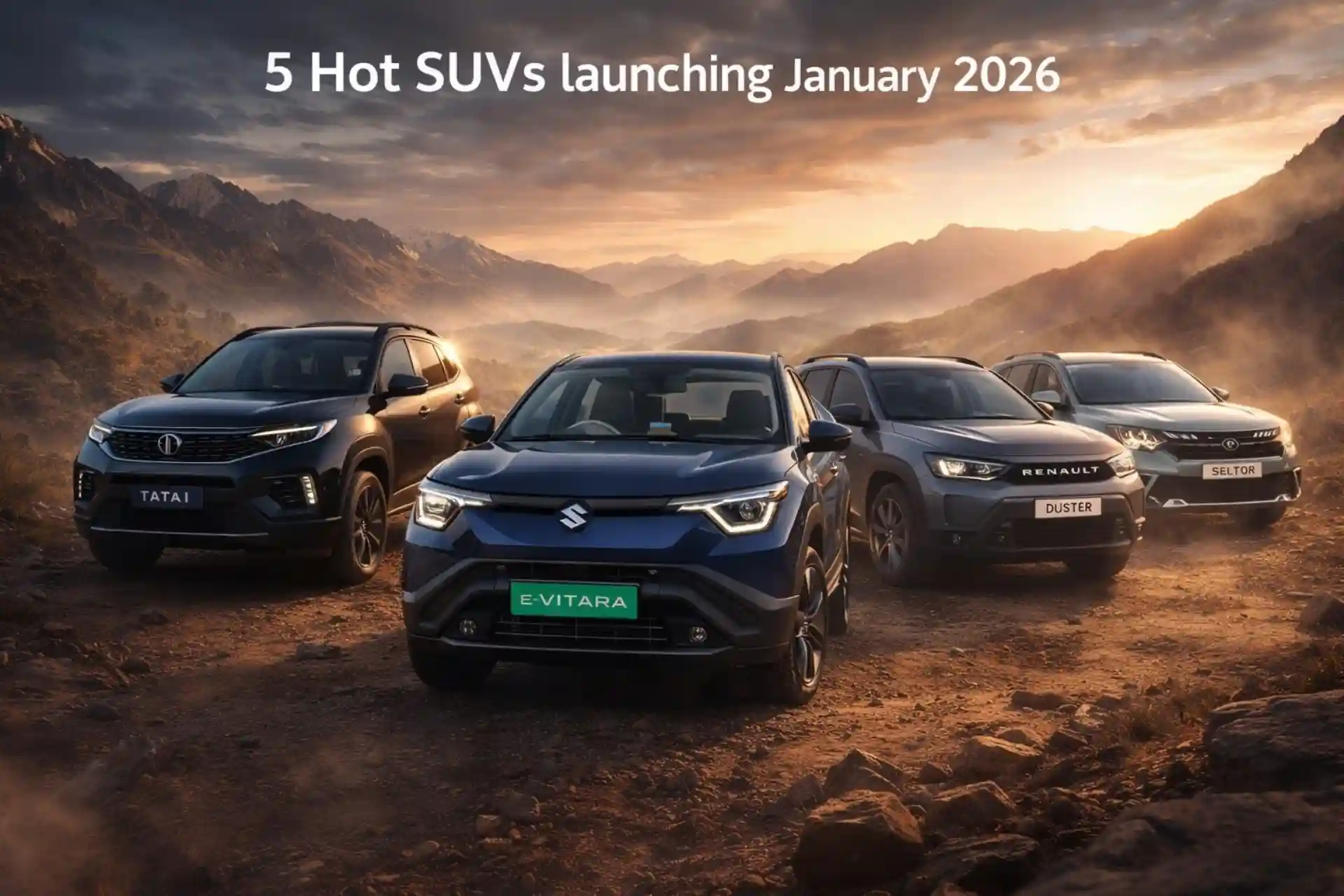
January 2026 is stacking up to be one of the busiest months for SUV launches in India. We’re talking five major debuts from brands like Maruti Suzuki, Kia, Mahindra, Tata, and Renault: all dropping within the next few weeks. If you’ve been holding off on a purchase or just keeping tabs on what’s new, this is worth paying attention to.
Here’s what’s coming and what actually matters about each one.
Launch Timeline Overview
| Vehicle | Launch Date | Key Highlight |
|---|---|---|
| Kia Seltos (2nd Gen) | January 2, 2026 | New K3 platform, updated design |
| Mahindra XUV 7XO | January 5, 2026 | 540-degree camera, ADAS visualization |
| Renault Duster | January 26, 2026 | CMF-B platform, two petrol engines |
| Tata Harrier/Safari Petrol | Coming Soon | 1.5L Hyperion engine, 170 hp |
| Maruti Suzuki e Vitara | January 2026 | First Maruti EV, 543 km range |
Kia Seltos Gets a Full Redesign
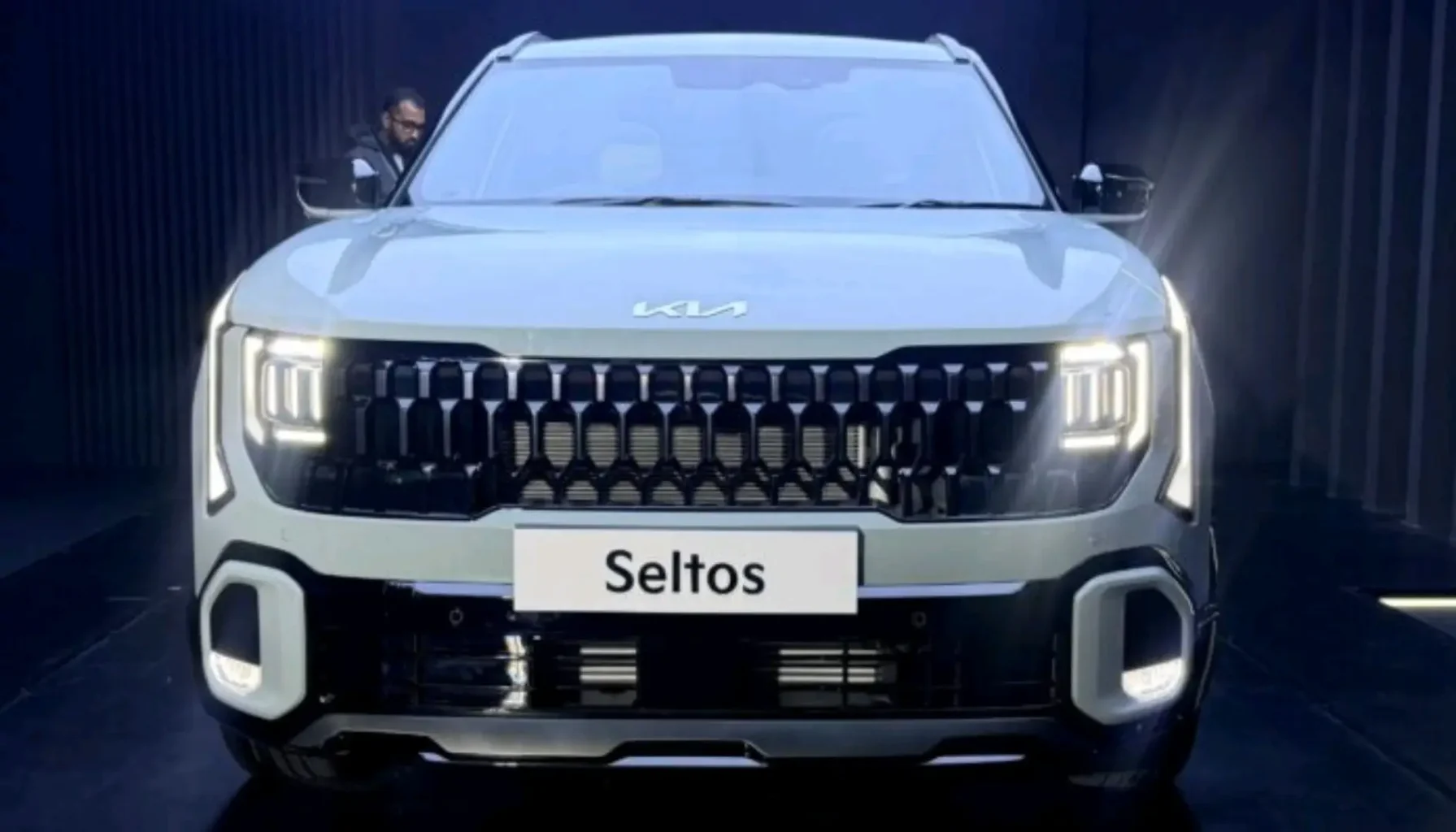
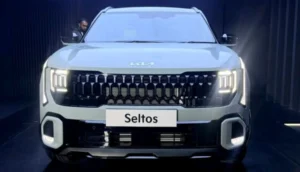
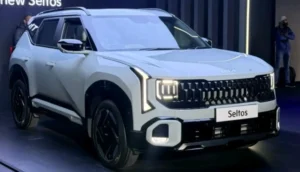
Kia’s kicking things off early with pricing for the second-generation Seltos dropping January 2. This isn’t just a facelift. The new Seltos rides on Kia’s global K3 platform and gets a comprehensive overhaul both inside and out.
What’s staying the same? The engine lineup. Kia’s sticking with the trio of 1.5-liter motors that have been doing the job. But everything else (styling, interior quality, feature set) has been updated to keep the Seltos competitive in what’s become an absolutely packed midsize SUV segment.
The Seltos has been a solid performer for Kia since it launched, so this refresh is crucial. Pricing will tell us how aggressive they’re willing to be against rivals like the Creta and Grand Vitara.
Also read : Kia’s first hybrid for India arrives late 2026.
Mahindra XUV 7XO Replaces the XUV 700
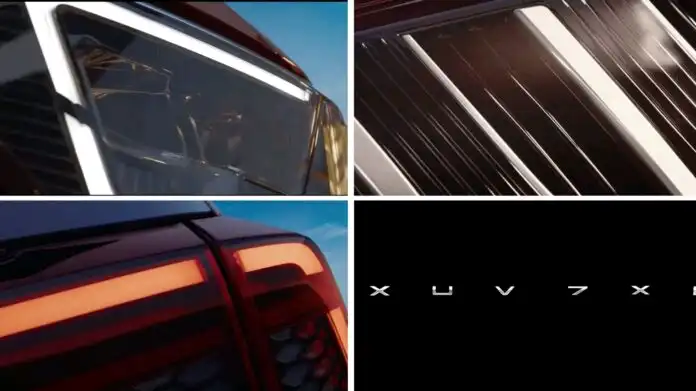
On January 5, Mahindra drops the XUV 7XO—basically a heavily updated XUV 700. The naming might seem odd, but Mahindra’s been shifting to this “XO” suffix across the lineup lately.
Design-wise, it’s pulling cues from Mahindra’s premium EVs, especially the XEV 9e. That means cleaner lines and a more modern look than the outgoing model. Feature upgrades include ADAS visualization (so you can actually see what the safety systems are doing) and a 540-degree camera setup. That’s a step beyond the usual 360-degree systems—handy for tight parking spots or tricky situations.
The XUV 700 has been selling well, so this update feels like Mahindra keeping momentum rather than fixing problems. Worth watching if you’re considering something in the three-row space.
Renault Duster Makes Its Comeback
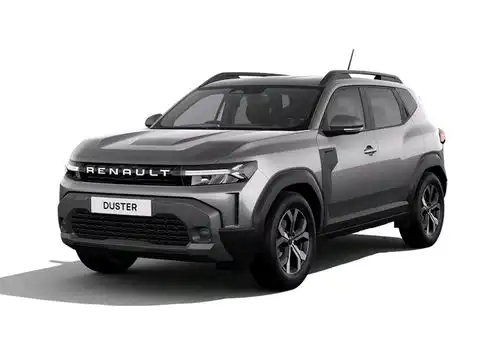
Here’s one that’ll get some attention. The Duster nameplate returns January 26 after being gone for a while. It’s built on Renault-Nissan’s CMF-B platform—the same one under the Nissan Kicks—but this isn’t just a European import copy-pasted for India. Renault’s made specific changes for our market.
At launch, you’ll get two petrol engine options. A hybrid might show up later, though that’s not confirmed yet. And if you’re wondering about the Nissan side of things, the Duster will spawn a sibling called the Tekton down the line.
The original Duster built a loyal following thanks to solid value and decent capability. Whether this new version can recapture that in a much more competitive landscape is the big question.
Tata Harrier and Safari Finally Get Petrol Engine
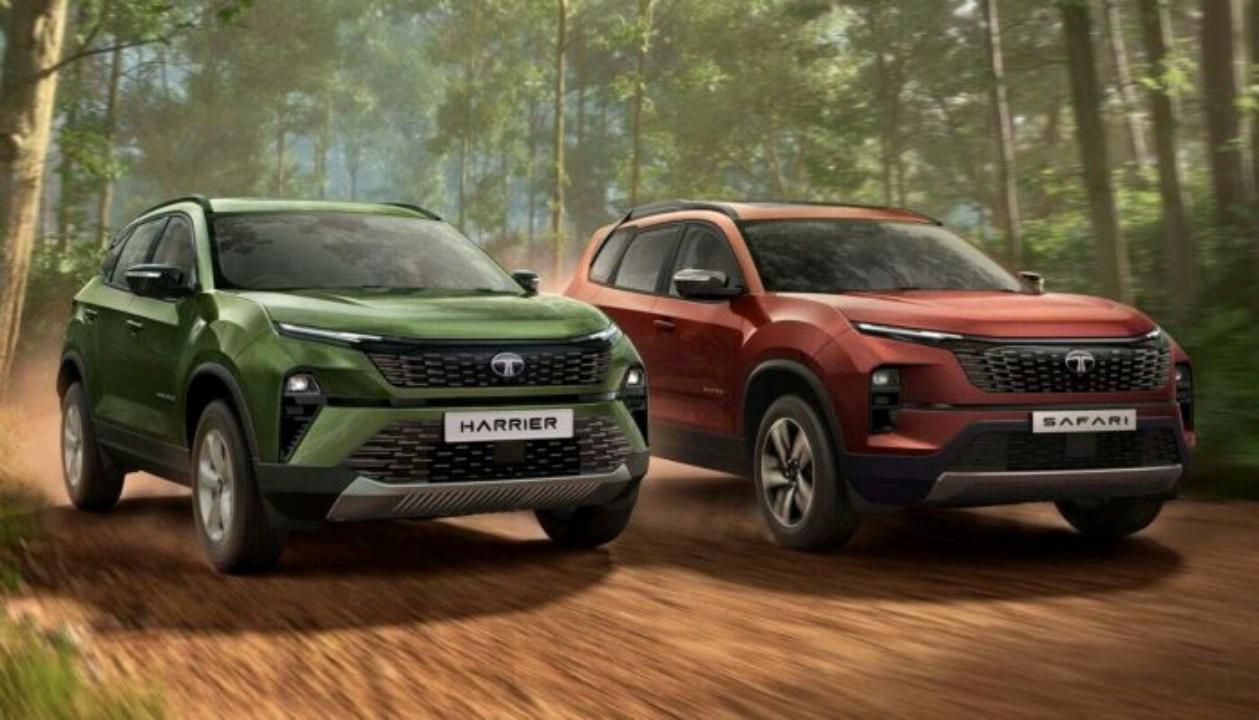
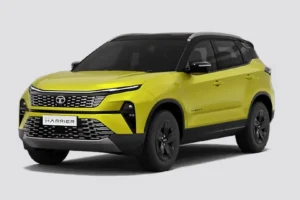
Tata recently showed off petrol versions of the Harrier and Safari, and they’re set to be priced soon. Both get Tata’s new in-house 1.5-liter Hyperion turbo petrol engine making 170 hp and 280 Nm of torque. You’ll have a choice between a six-speed manual or automatic.
Beyond the new engine, both SUVs are getting upgraded with a larger 14.5-inch OLED touchscreen, Level 2 ADAS, and new “Ultra” trim levels. These petrol options give buyers an alternative to the diesel variants that have dominated sales so far.
Look, diesels still make sense if you’re racking up highway miles. But if you’re mostly doing city driving or just prefer petrol, these new variants open things up.
Maruti Suzuki Goes Electric with the e Vitara
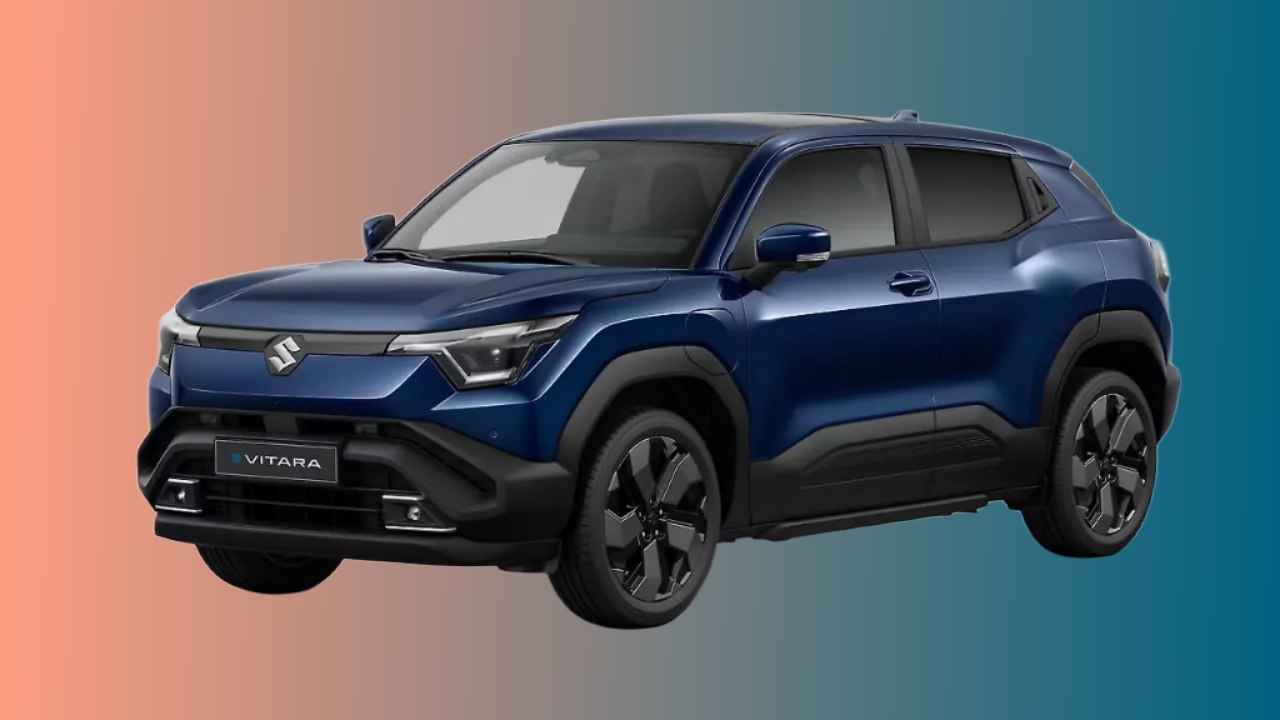
Maruti’s first proper EV, the e Vitara, launches next month. It’s riding on the company’s new Heartect-e platform designed specifically for electric vehicles. Two battery options: 49 kWh and 61 kWh, with the bigger pack claiming up to 543 km of range on a full charge.
Feature-wise, Maruti’s loading it up—Level 2 ADAS, big touchscreen, heads-up display. The usual premium stuff you’d expect from a flagship model.
This is a huge deal for Maruti. They’ve been watching rivals move into EVs while sticking mostly with hybrids. The e Vitara is their bet that the EV market in India is finally ready for mainstream players, not just startups and luxury brands.
What This All Means
Five launches in one month shows how hot the SUV segment is right now. Every brand’s fighting for attention and market share. If you’re shopping, you’ve got options—but that also means doing your homework.
Wait for final pricing and specs before making any calls. And honestly? With this many launches happening so close together, deals and discounts might start showing up faster than usual as brands try to stand out.

Monojit Paul is the founder and editor of techautohub.com. He covers India’s automotive industry, focusing on new launches, cars, bikes, and market trends.