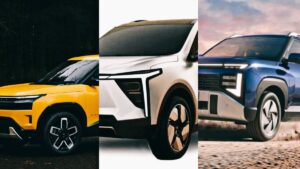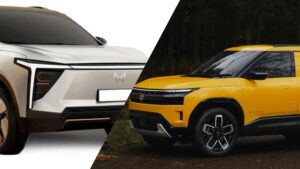
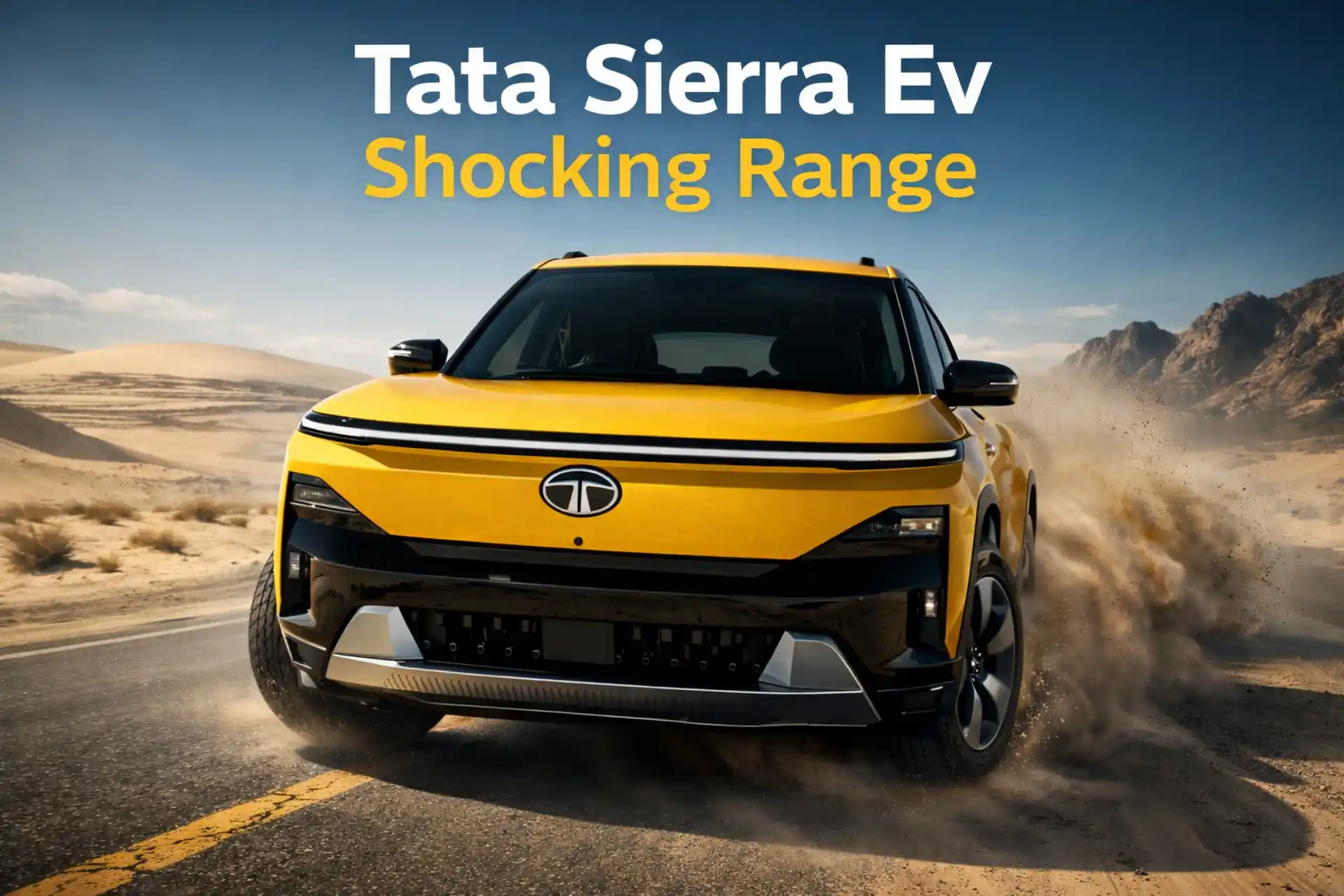
Tata Motors just made it official: the Sierra EV is coming in early 2026, and it’s shaping up to be one of the brand’s most important electric launches yet. This isn’t just another badge-engineered SUV. It’s a fresh take on a nameplate that Indian buyers still remember fondly, now reimagined for the EV era with serious range, modern tech, and styling that actually stands out.
The timing matters. Tata’s already seeing huge interest in the ICE Sierra, which hit dealerships recently and racked up 70,000 bookings in the first 24 hours. Another 135,000 people configured their preferred spec online. That kind of response suggests Tata struck a chord, and the EV version could ride that same wave of enthusiasm when it arrives next year.
Key Specifications at a Glance
| Feature | Details |
|---|---|
| Launch Timeline | Early 2026 |
| Battery Options | Two pack sizes (larger pack confirmed) |
| Expected Range | Over 500 km (real-world, larger battery) |
| Display Setup | Triple screens (12.3-inch cluster plus infotainment and passenger display) |
| ADAS | Level 2 autonomous driving features |
| Charging | DC fast charging, bi-directional capability |
| Platform | Shared with Harrier EV |
What Makes It Different From the ICE Model
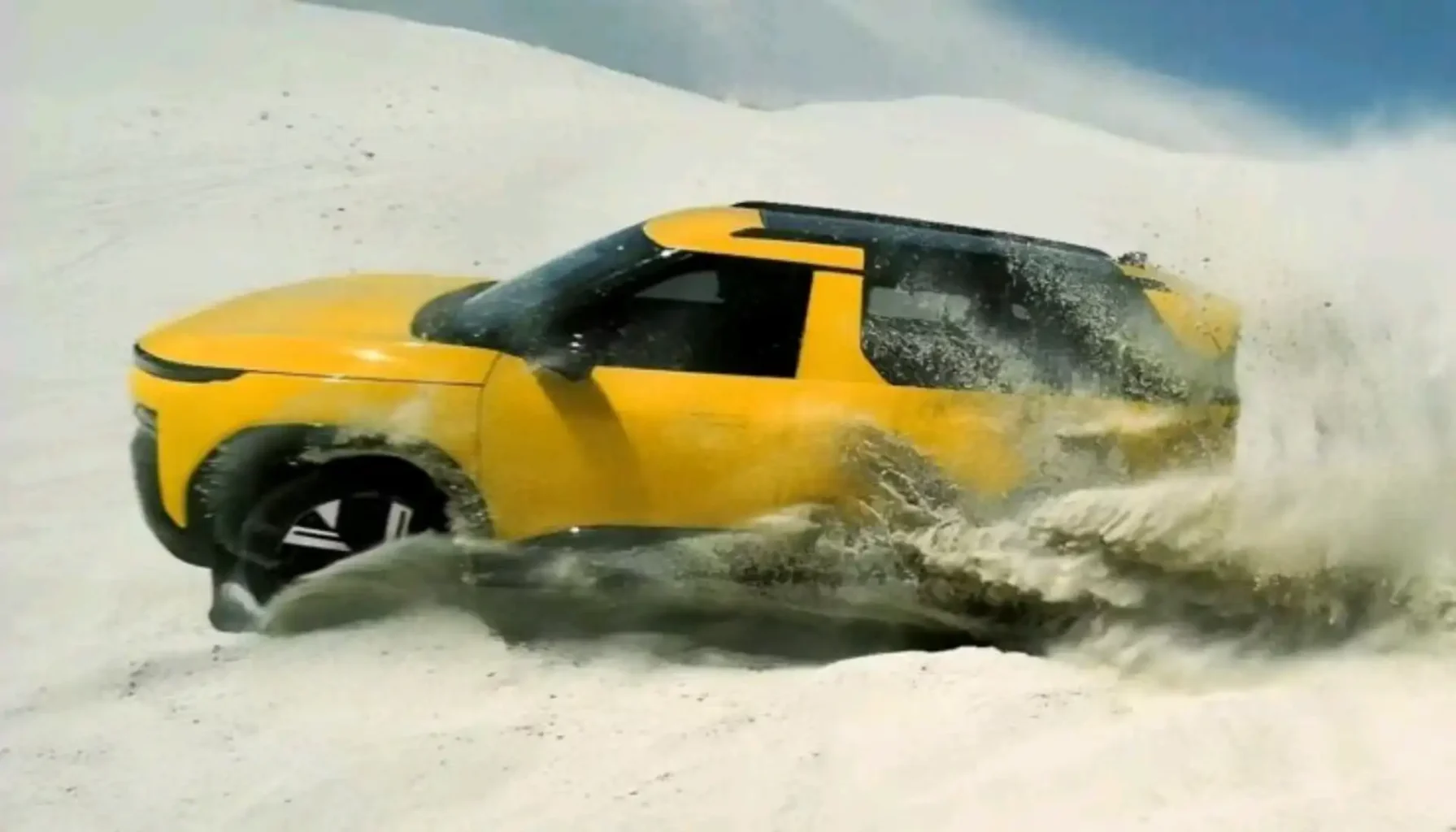
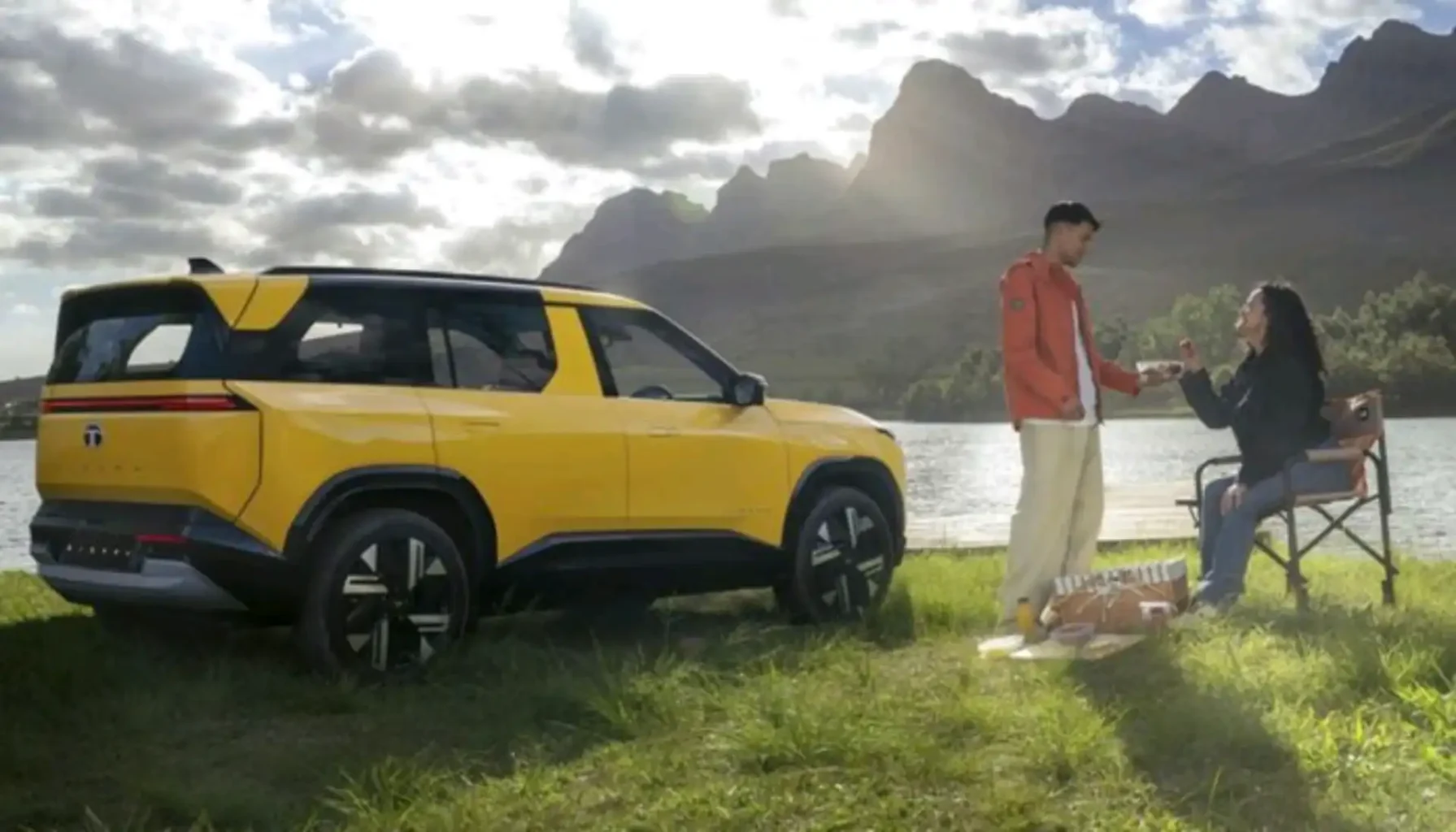
Look, the Sierra EV isn’t going to fool anyone. It’s clearly related to its combustion sibling. But Tata’s done enough to give it its own identity. The grille gets blanked off, as you’d expect, with a full-width LED light strip running across the nose. Split headlamps stay, along with that boxy, upright stance that made the original Sierra memorable back in the day.
You’ll spot flush door handles, sporty alloy wheels, and squared-off wheel arches. Around back, expect a connected LED tailbar and subtle EV badging. It’s not revolutionary, but it works. The design feels confident without trying too hard to be futuristic.
Also read: Tata Sierra Top Models Price: Should You Buy The Accomplished Variants?
Inside: Triple Screens and Premium Touches
Step inside and you’re greeted by three screens spread across the dash: a 12.3-inch digital gauge cluster, a large central touchscreen for infotainment, and a dedicated display for the front passenger. That’s a lot of real estate, and it should make the cabin feel modern and tech-forward.
Tata’s also promising premium materials, layered textures on the dashboard, ambient lighting, and a panoramic glass roof. If the execution matches the spec sheet, this could be one of the nicer places to spend time in the segment. We’ll reserve judgment until we actually sit in one, but the ingredients are there.
Also read: Why Kia is Betting on the Sorento Hybrid for India in 2026
Battery and Range: Borrowing From the Harrier EV
Here’s where things get interesting. The Sierra EV will share its bones with the upcoming Harrier EV, which means two battery pack options are likely on the table. The bigger pack should deliver over 500 km of real-world range, which would put it right in the conversation with rivals like the MG ZS EV and Hyundai Ioniq 5 when it comes to usability.
DC fast charging will be standard, and bi-directional charging capability is also expected. That means you could potentially use the Sierra EV as a backup power source for your home during outages, a feature that’s starting to matter more as India’s EV infrastructure matures.
Also read : Tata Sierra Sets New Fuel Economy Record With 29.9 Kmpl
Level 2 ADAS and Safety Tech
Tata’s confirmed Level 2 ADAS will be part of the package. That means adaptive cruise control, lane-keeping assist, automatic emergency braking, and other semi-autonomous driving aids. It’s not full self-driving, but it’s a big step up from basic safety features and should make highway drives a lot less tiring.
Test mules have been spotted testing on Indian roads, so Tata’s clearly deep into validation. That’s a good sign. It suggests they’re taking the time to tune this thing properly for local conditions before pushing it out the door.
Also read: Tata to Maruti: 5 New SUVs Launching in January You Can’t Miss
What It Means for Buyers
If you’re shopping for an electric SUV in 2026, the Sierra EV could be worth the wait. It’s got the range, the tech, and the design to compete, and Tata’s pricing has historically been aggressive. We don’t have final numbers yet, but if they can keep it competitive with the Harrier EV while offering a fresher package, this could be a strong contender.
The real question is whether Tata can deliver on time and avoid the delays that have plagued some of their other EV launches. But with test mules already circulating and an early 2026 target, things seem to be moving in the right direction.
Worth keeping on your radar if you’re in the market for something with genuine EV range and modern features. We’ll keep an eye on this one as more details emerge.

Monojit Paul is the founder and editor of techautohub.com. He covers India’s automotive industry, focusing on new launches, cars, bikes, and market trends.